-
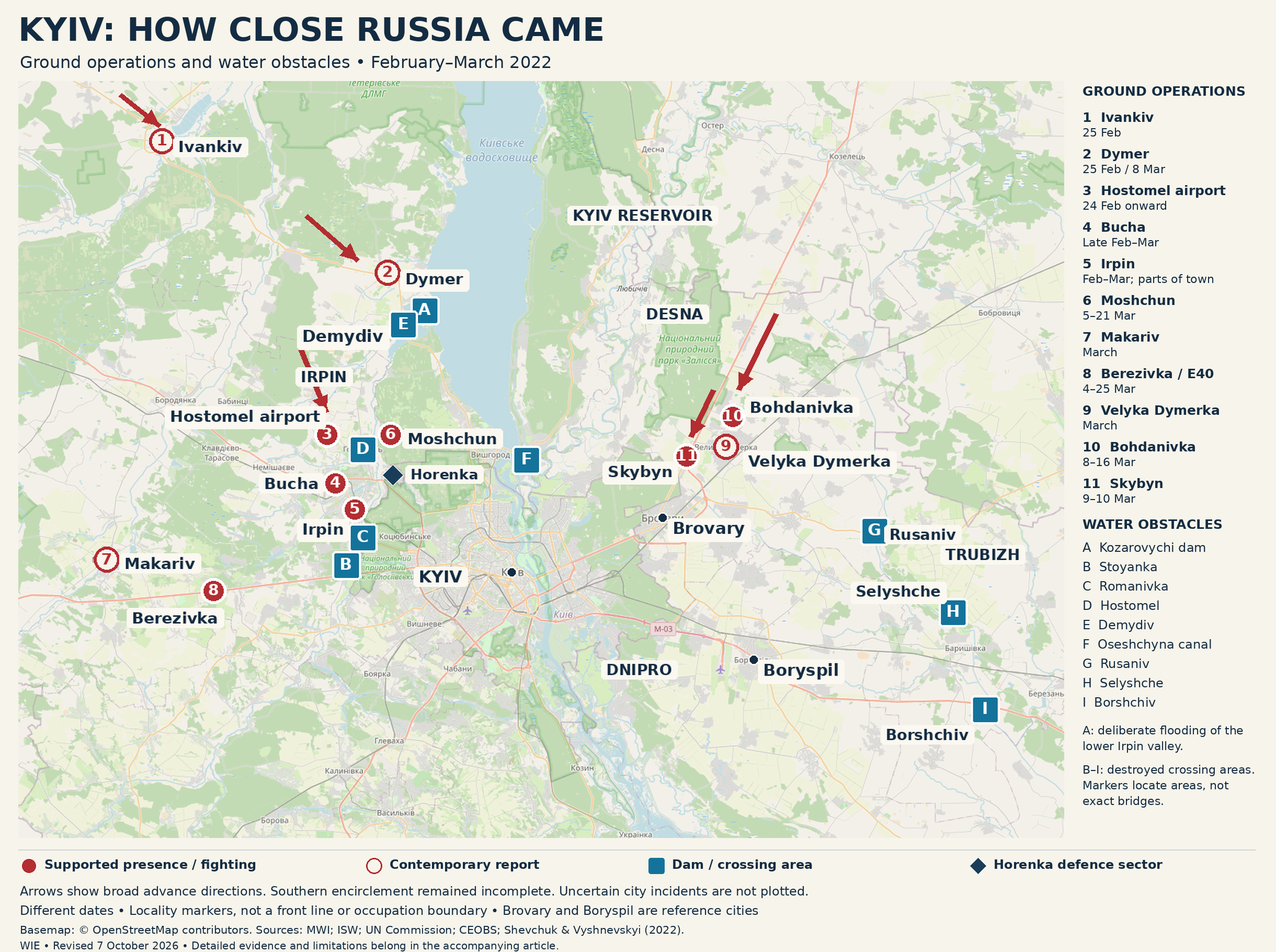
Russia’s invasion sought to subordinate Ukraine. Instead, Ukrainian resistance preserved its independence and transformed European security. From the defence of Kyiv to a prolonged war of attrition, this article examines the fighting and the need for a shared European–Ukrainian defence industry
-
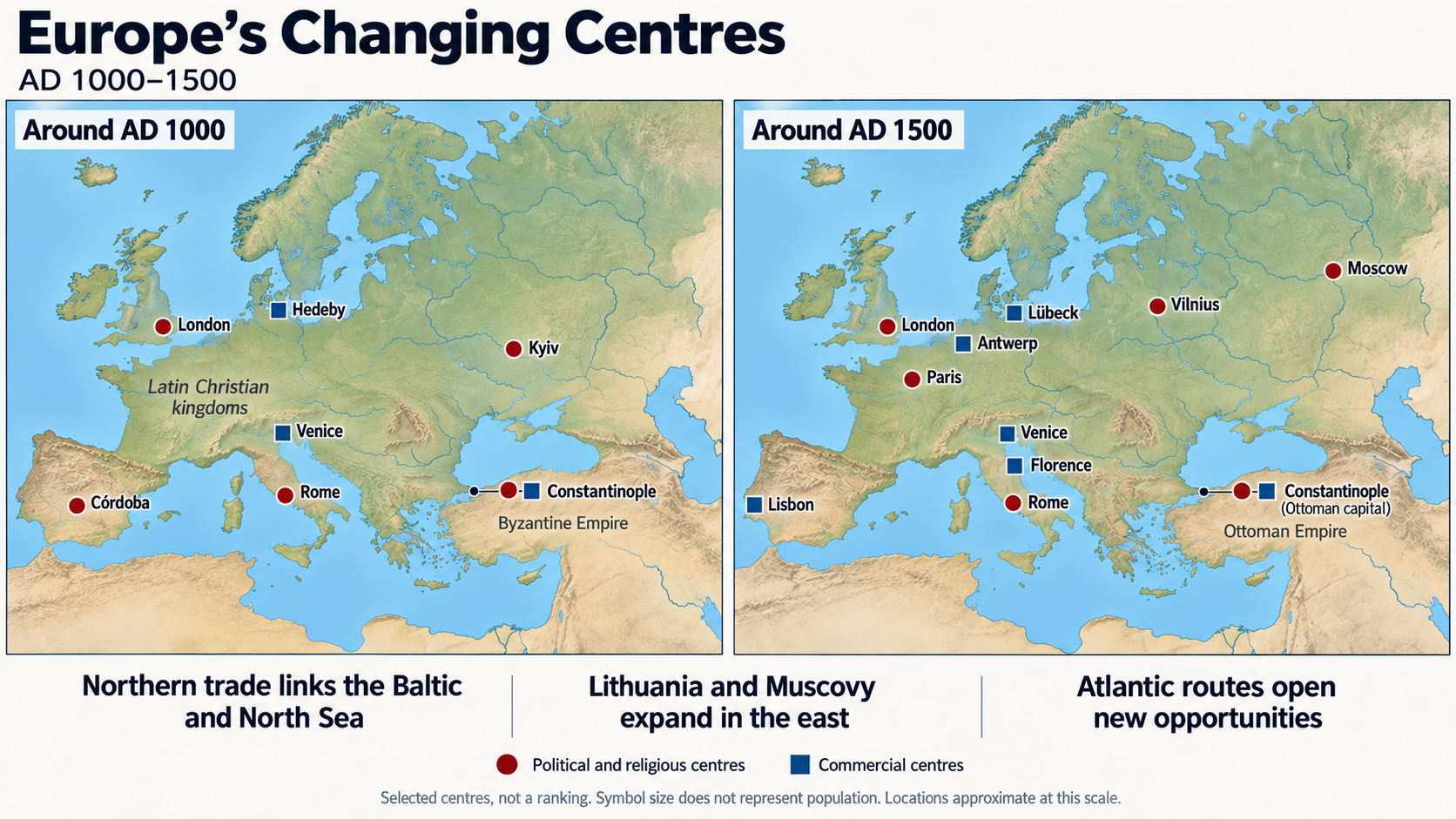
Between AD 1000 and 1500, trade, technology and growing towns reshaped Europe. Viking connections, Mongol invasions, plague and warfare shifted the balance of power and helped create the Europe we know today.
-
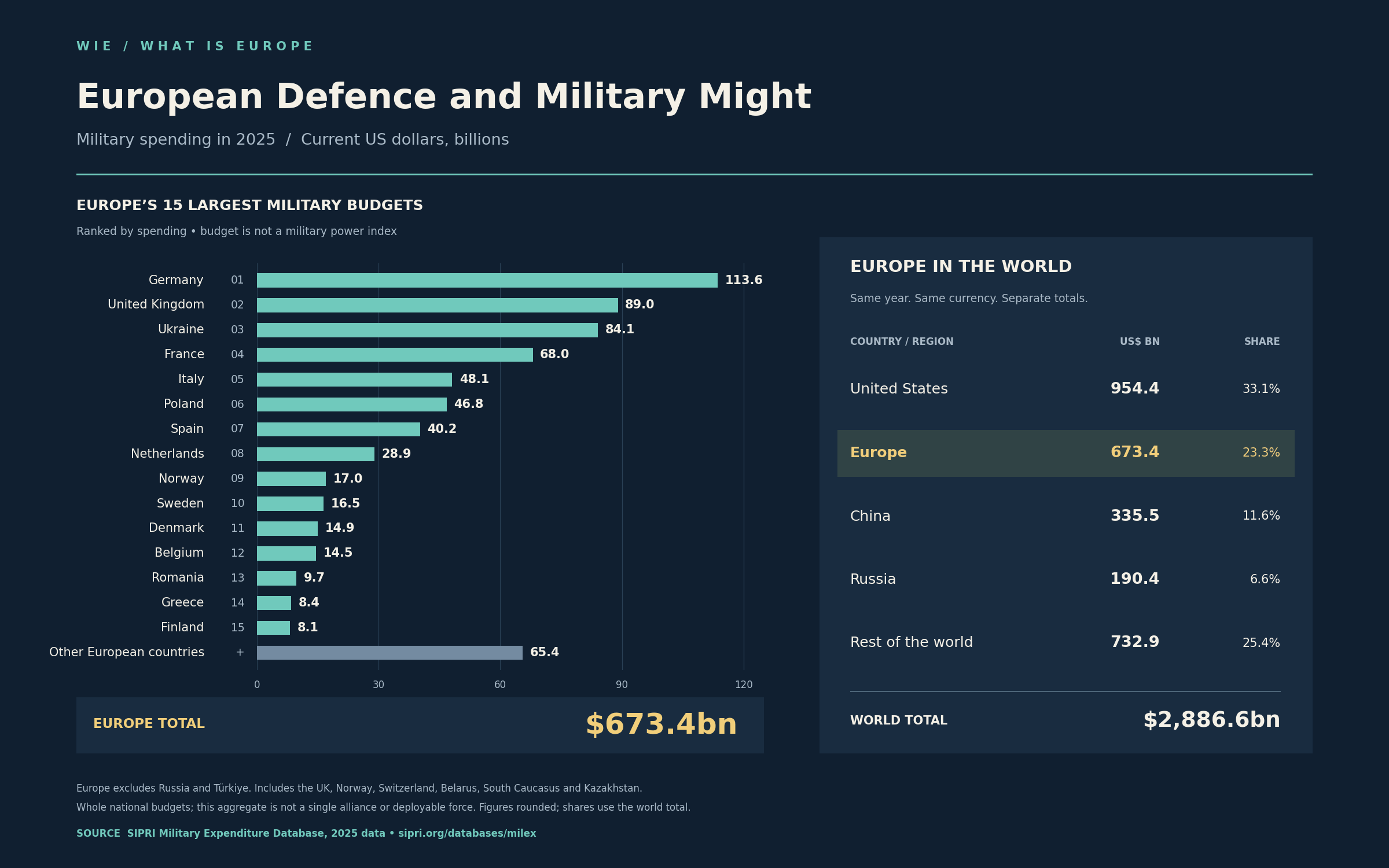
Europe remains militarily divided between national forces, NATO and growing European cooperation. Could this network become the world’s strongest military power?
-
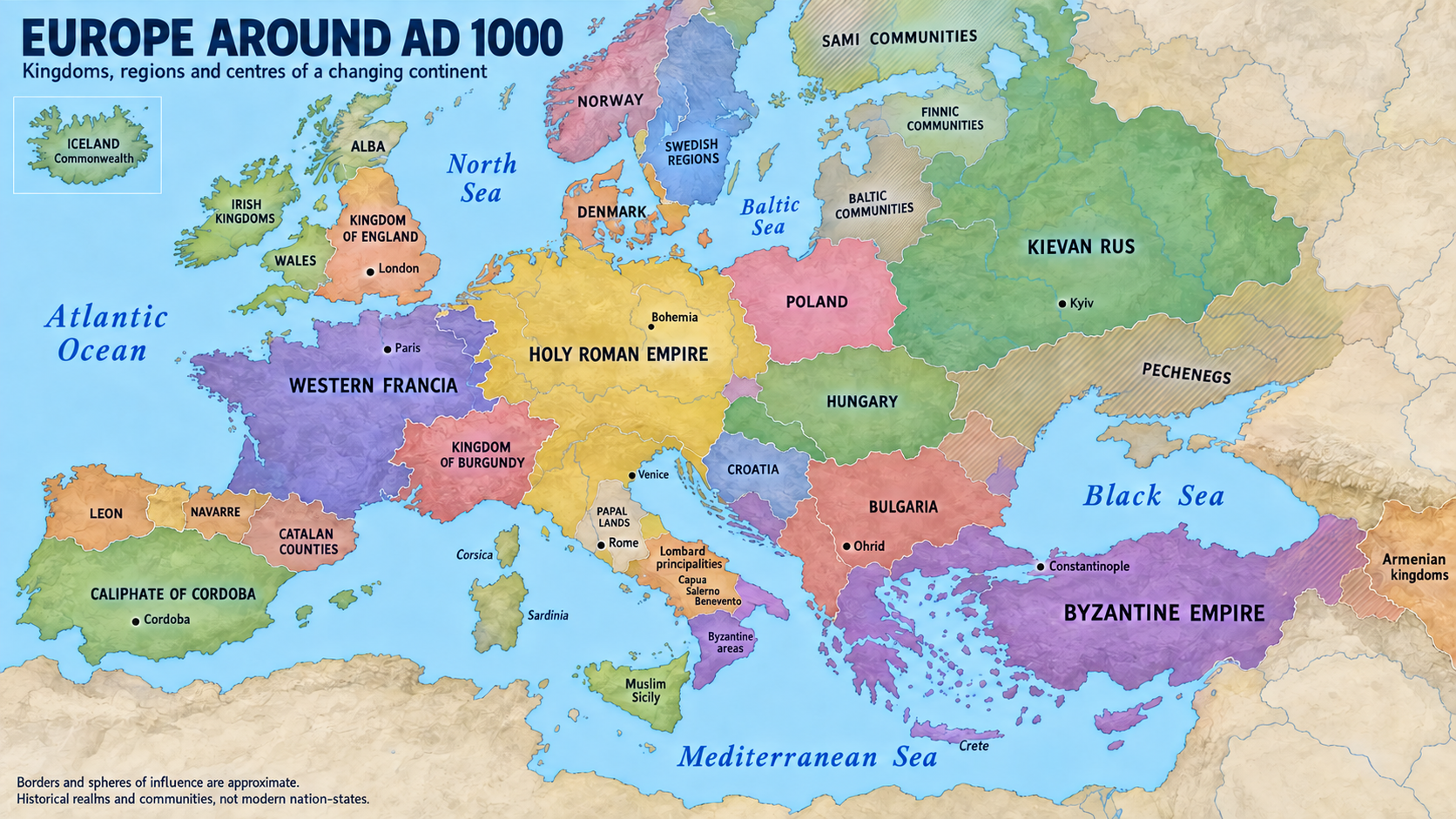
From the first farmers to the rise and fall of empires, explore how migrations, civilizations, religions and kingdoms shaped Europe from 10,000 BC to 1000 AD.
-
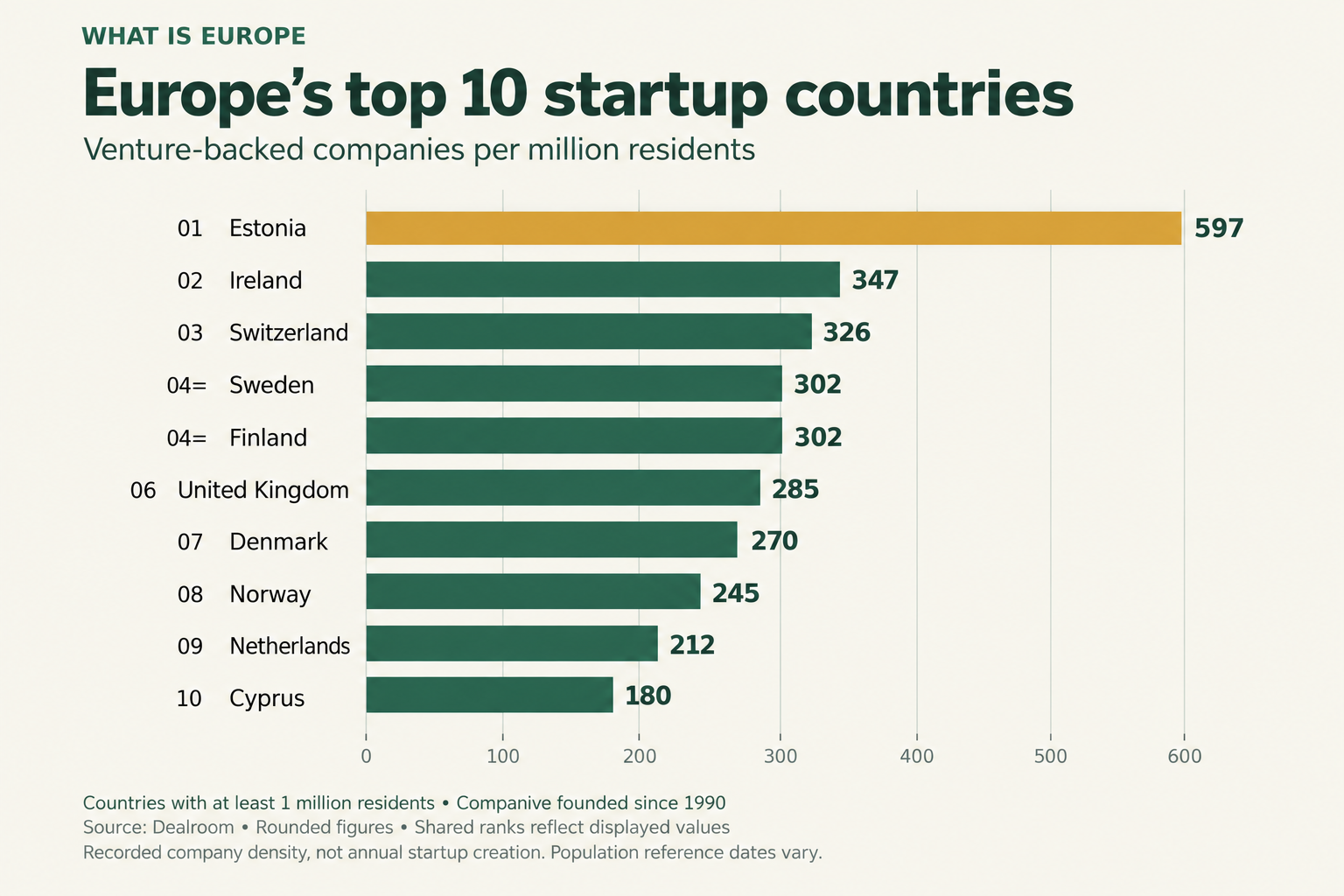
Europe has many promising startups, strong research institutions and established industries that can help new technologies reach the market. Its challenge is to turn more of those companies into international businesses. This article follows that journey: where Europe’s startups are concentrated, how their focus and financing compare globally, and how investors and local networks support…
-
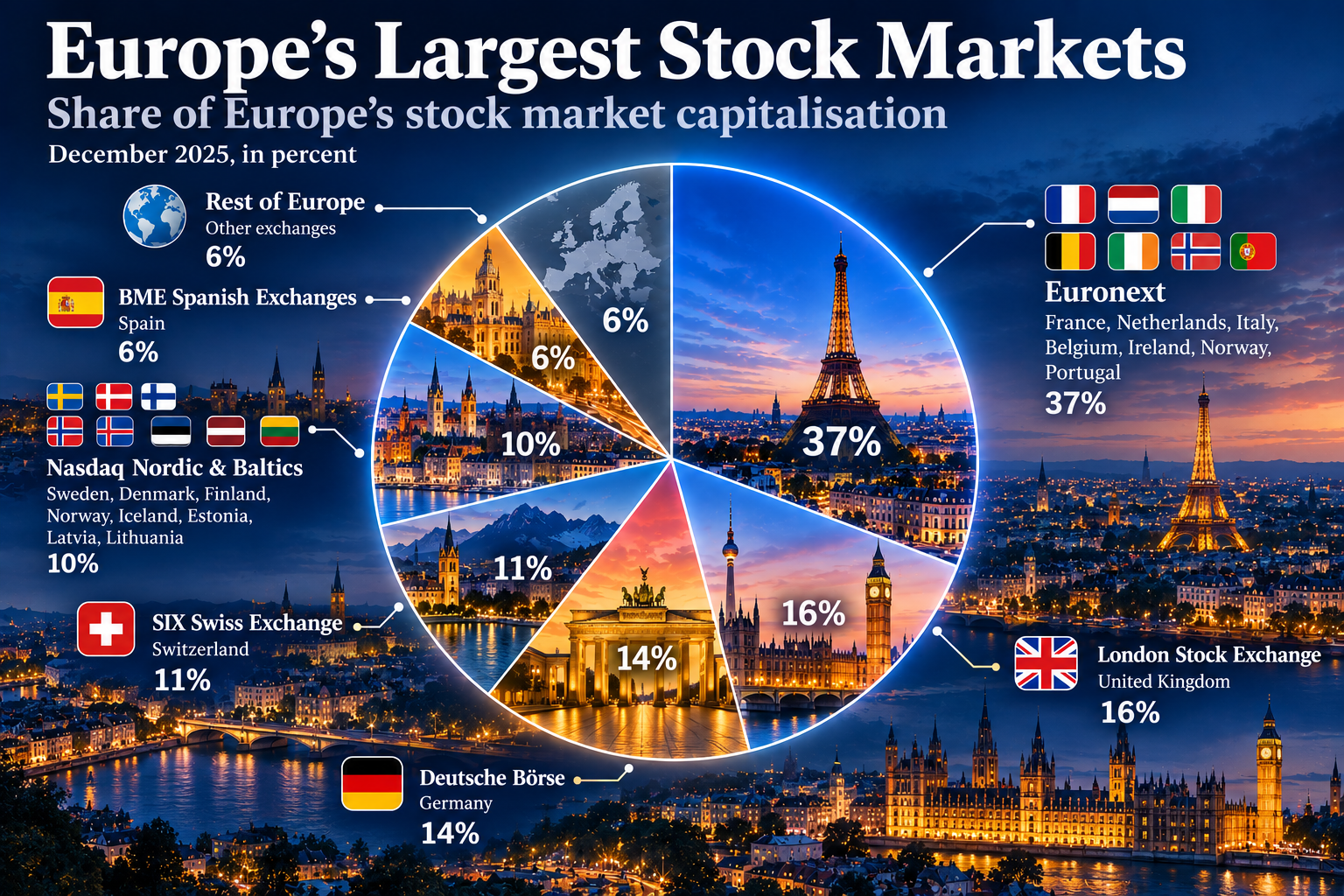
How Europe’s fragmented but increasingly connected equity markets compare with the United States, China and the rest of the world Europe has some of the world’s largest and oldest stock markets. But there is no single “European stock exchange”. Instead, Europe has a network of national and multinational markets. London and Switzerland remain outside the…
-
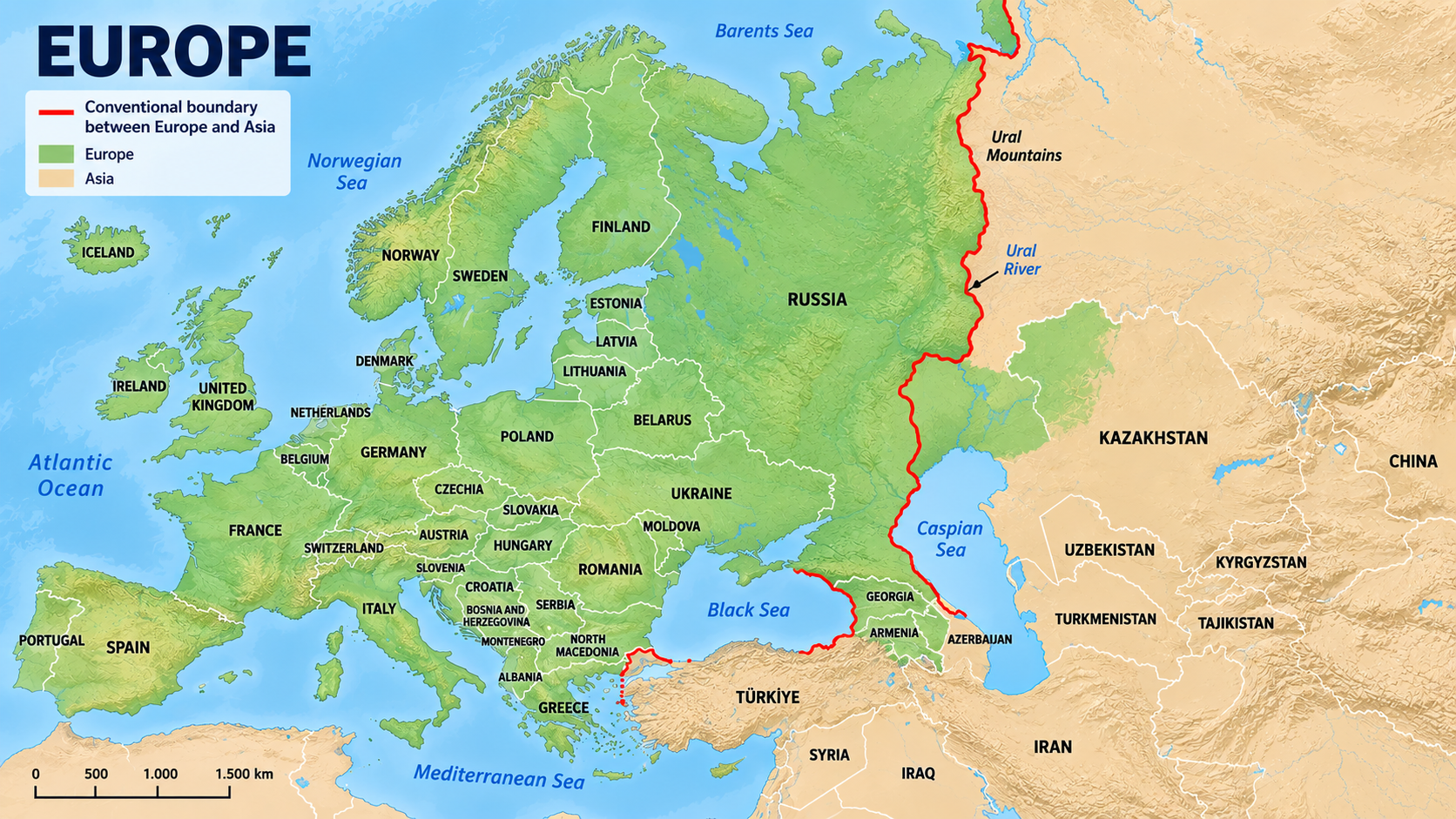
Europe looks clearly defined on a map, but its eastern and southeastern boundaries are far less obvious. Explore where geographical Europe actually ends — and why the answer depends on more than geography.